Ten Reasons You Can’t Sleep and How Melatonin Can Help
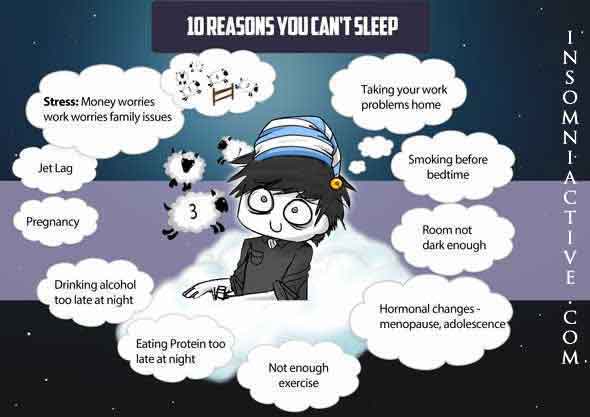
If you're not getting enough sleep each night, you might need sleep medication and could be on the path to serious health issues. There are more than eighty-five recognized sleep disorders, so if restful sleep is hard to come by, you might be dealing with one of them. Inadequate sleep can also cause unexpected problems like increased stress, trouble focusing, and even confusion about everyday issues—like trying to remember if your child's seat qualifies as a FAA car seat when your brain is running on empty.
On this site, I will be showing you a variety of excellent natural sleep remedies such as Melatrol which contain the natural substance Melatonin. You can read a review of Melatrol here.
So what is Melatonin? Melatonin is a key theme of this site, because, as you will see, it is a natural substance made in the human body and as such it is considered to be safe for adults, children and even pets. Melatonin is produced by the pineal gland in your head and is nature’s natural sleep-maker; it is also a key substance in repairing the damage your body experiences in day to day live, while you sleep.
We will be considering the optimum melatonin dosage, melatonin for kids as well as a variety of melatonin side effects including (amazingly!) melatonin as an anti aging supplement.
I will also be discussing the issues of severe snoring and some potential solutions, as well as Sleep Apnea, which has become known as a silent killer that few people understand.

How well do you understand sleep? Try our fun questionnaire and see!
 Bill Clinton once said that “In my long political career, most of the mistakes I made, I made when I was too tired, because I tried too hard and worked too hard. You make better decisions when you’re not too tired.” He also said that “sleep deprivation is part of the problem in Washington politics today.” At the time he was only sleeping five hours per night - sometimes less. Mind you - he did some strange things back then!!!
 Alcohol can put you to sleep faster, but the amount of REM sleep - dreaming sleep - is reduced, which can leave you feeling tired and disoriented. Alcohol should not be taken for a few hours before sleeping - rather have a nice warm cup of milk!
 Melatonin is produced by the pineal gland in your head. It prepares your body for sleep and acts to repair day to day damage of your cells as you sleep.
 Well done. Sleep apnea is a serious sleep disorder in which breathing repeatedly stops and starts. Two of the key symptoms are loud snoring and you feeling tired even after sleeping.
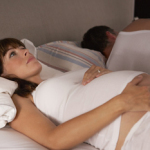 Pregnant women need around 9 to 13 hours of sleep per night. In pregnancy, a womans heart and kidneys are under great stress, especially towards the 3rd trimester.
 Blue light suppresses levels of the sleep hormone Melatonin and damages our sleep quality. It is particularly important to reduce exposure from electronic devices such as iPads and televisions for at leats two hours before we go to bed.
 Primary Insomnia is a sleep problem NOT caused by an underlying medical problem. One great example is insomnia caused by stress and anxiety.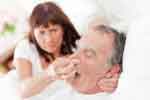
Why Cant I Sleep?
Doctor’s often recommend lifestyle changes before deciding to offer medicinal help. The number one non-medical cause of sleeplessness is stress. If you live a normally stressful life and there is no way around it, then you must counteract it with something as simple as exercise or meditation.
Other ideas to get a good nights sleep include things as simple as cutting back on caffeine after 4:00 pm, changing the time of day you exercise, and/or turning off the electronics before bedtime.
Many people work on their computers or play games right up until it is time for bed. Their bodies are ready to go to sleep, but their brain is still on overdrive, because the blue light they have been exposed to lowers melatonin production. If you try changing some or all of these scenarios in your life and you are still not sleeping, your body may letting you know that other health problems are to blame and you need to get help to finally relax and get some much needed dream time.
Pinpointing Your Sleep Disorder
If your medical professional is unsure of the exact cause of your sleeplessness, he or she may recommend a visit to a sleep clinic if he/she cannot recommend a sleep medication. In that case, you would be hooked up to some wires that will allow the medical personnel observe your sleep patterns. Many health issues can be discovered in this type of setting. Narrowing down a physical problem will make a treatment plan easier to follow and possibly lead to a cure.
If the results lead to the recommendation of medications or supplements to help restore your healthy sleep habits, your doctor may offer a wide range of options to choose from. You might find yourself overwhelmed with information all at once, which could include details about side effects, pricing, and other health-related concerns that may arise from using these treatments. Be ready to do some research to find the best fit for your needs — just like understanding what does bm mean in different medical or casual contexts, choosing the right sleep aid takes thoughtful evaluation and a bit of trial and error.
What is Melatonin? - Nature’s Sleep Maker!
One of the most used natural supplements for insomnia is Melatonin. A Melatonin Sleep Aid consists of a natural hormone mixed with some other ingredients which will help control your sleep-wake cycle. You always need to check the ingredients on the product label to male sure that the other ingredients are all natural - as they are in Melatrol.
This type of treatment should not be used for extended periods, but used properly, it should also aid you in re-establishing a good sleep pattern and has been known to offer a better quality nights sleep as well. It allows you to fall asleep peacefully without that groggy feeling when you wake in the morning.
Over the Counter Sleeping Pills
If you are still having trouble sleeping at night, another option is to head down to the local drug store and find a stronger remedy. Over the counter sleeping pills may possibly help you sleep without a prescription.
Sleep aids that you buy over the counter, like supplements, are not a cure for the underlying problem - they are a temporary fix to allow you to gain some decent sleep. They do work, but relying on them every night wont be good for you.
For one thing, since most of them contain antihistamines, your body may build up an intolerance for them. If that happens, the effectiveness will wear off and you will be no better than you were before. Even though you can easily obtain over the counter sleep medicines, you should talk with your doctor.
If you have other medications that you take regularly, you should be advised if certain sleep aids may cause a conflicting interaction. If you have glaucoma, asthma, liver or urinary diseases, you must be very careful of your choices. Sleep Meds that contain diphenhydramine or doxylamine may have side effects such as a dry mouth, dizziness and memory loss.
There is also that “hangover effect”, where you walk around in a haze for most of the following day because the effects haven’t worn off. Is that any better than how you feel after too little sleep? Weigh the evidence before jumping into bed with one of those meds.
Valerian is another over the counter supplement that helps with sleep. Although this is a perfectly natural product, you do need to watch the dosage as too much but may cause abdominal pain, dizziness, excitability and even heart issues. Decide for yourself if the treatment is worth the side-effects you will endure.
Please click to page 2 on link below